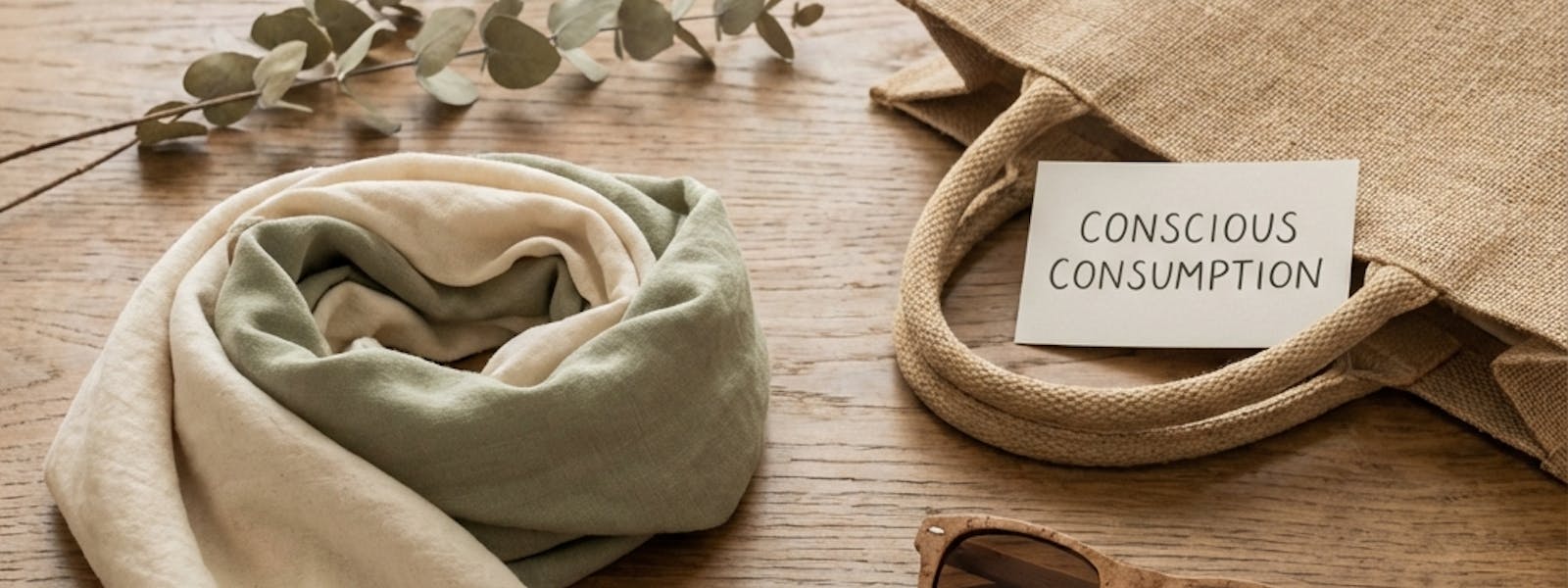
2025 Sustainable Fashion Trends: The Rise of Conscious Luxury
The fashion industry is experiencing a profound transformation in 2025, with sustainability no longer a niche concern but the defining characteristic of luxury itself. From certification standards to community activism, conscious consumption is reshaping how we think about style, quality, and impact.
The Certification Revolution: Luxury Meets Accountability
One of the most significant shifts in sustainable fashion is the rise of rigorous certification programs. Positive Luxury's Butterfly Mark certification has become the gold standard for luxury brands committed to people and nature. With over 175 global brands now certified, this ESG assessment specifically designed for luxury demonstrates that high standards and high fashion can coexist.
The Butterfly Mark goes beyond greenwashing, requiring brands to meet the highest international agreements and global frameworks. As luxury specialist certification, it acknowledges the industry's unique dependency on natural capital and artisanal supply chains while maintaining elevated brand reputation standards.
Conscious Platforms Amplifying Sustainable Voices
MOCHNI, the 100% independent, woman-owned global media platform, exemplifies how conscious consumption is being championed. Founded by Antonia Leoni, the platform raises awareness for "a fairer, cleaner, and slower world" - three principles that are becoming non-negotiable for today's conscious consumers.
This shift toward slower fashion directly challenges the fast fashion model that has dominated for decades. Quality over quantity isn't just a slogan anymore; it's a lifestyle choice backed by environmental necessity.
Upcycled Materials: Fashion's Circular Future
The trend toward sustainable small fashion brands using upcycled material is accelerating. These innovative brands are proving that preserving resources doesn't mean compromising on design. By reimagining waste materials as premium fashion inputs, they're closing the loop on the linear "take-make-dispose" model that has plagued the industry.
Upcycling goes beyond simple recycling - it transforms discarded materials into pieces of higher quality or value than the original. This creative approach to sustainability is attracting designers who see constraints as opportunities for innovation.
Ethical Jewelry: Treating Earth Like a Gem
The jewelry sector is leading in transparency and ethics. Ethical jewelry brands worldwide are proving that luxury accessories can be both beautiful and responsible. From fair-mined gems to recycled metals, these brands are redefining what it means to treasure our purchases.
The rise of ethical jewelry brands offering ear piercings and ear cuffs shows that even the smallest fashion details are getting the sustainable treatment. London and NYC piercing studios are now offering ethical options, making conscious choices accessible for everyday adornment.
Heritage Craftsmanship Meets Modern Sustainability
Long-standing heritage brands are proving that sustainability isn't new - it's a return to traditional values. Müller Small Living, a fifth-generation German family business producing furniture for over 150 years, demonstrates how local manufacturing and quality craftsmanship naturally align with sustainable principles.
These heritage brands offer a powerful counter-narrative to disposable culture. When furniture or fashion is built to last generations, the concept of "sustainable" becomes embedded in every design decision.
Modular Design: Fashion That Grows With You
The concept of modular shelving systems from designer brands is crossing over into fashion thinking. Just as modular furniture adapts to changing living spaces, fashion brands are creating versatile pieces that can be styled multiple ways, extending their useful life and reducing the need for constant purchases.
This adaptability principle represents a fundamental shift: rather than chasing trends that quickly become obsolete, invest in quality pieces that evolve with your style.
Fashion Activism: Community Response to Crisis
When crisis strikes, the fashion community's response reveals its values. The L.A. wildfire relief efforts supported by local ethical brands demonstrated the power of fashion as a force for social good. From donation drives to pro bono services and fundraisers, these brands proved that business success and community support aren't mutually exclusive.
This activism extends beyond crisis response. Ethical fashion brands are increasingly vocal about social justice, environmental protection, and fair labor practices - using their platforms to drive systemic change.
Vegan Leather Evolution
The vegan leather bag brands emerging in 2025 are light-years beyond early pleather alternatives. From mushroom leather to apple waste materials, innovative bio-fabrication is creating luxurious alternatives that perform as well as or better than animal leather, without the environmental and ethical concerns.
This isn't about sacrifice - it's about innovation creating better options for conscious consumers who refuse to choose between style and values.
Natural Sleep & Wellness Integration
Fashion's intersection with wellness is deepening. Brands like COCO-MAT, with their "Sleep On Nature" philosophy and natural mattress production, show how lifestyle brands are expanding beyond clothing into holistic well-being. The integration of forest bathing therapy and Ayurveda guidance into conscious lifestyle platforms demonstrates that sustainable fashion is part of a larger movement toward mindful living.
How to Embrace Conscious Luxury in 2025
Look for Certifications: The Butterfly Mark and similar certifications provide third-party validation of sustainability claims, cutting through greenwashing.
Invest in Heritage: Brands with decades or centuries of craftsmanship history often embody sustainable principles through their commitment to quality and durability.
Choose Upcycled: Support brands transforming waste into fashion, closing the loop on material consumption.
Demand Transparency: Ethical jewelry and fashion brands should readily share information about sourcing, production, and labor practices.
Support Activism: Choose brands that use their platform and profits to drive positive change in their communities.
Embrace Versatility: Modular, adaptable pieces that style multiple ways provide better value and reduce consumption.
Think Holistically: Recognize that sustainable fashion is part of a broader conscious lifestyle encompassing wellness, ethics, and environmental stewardship.
The Future Is Conscious
The trends shaping 2025 aren't fleeting fashion moments - they represent a fundamental restructuring of the industry. As conscious platforms like MOCHNI amplify these voices and certification programs like Positive Luxury hold brands accountable, consumers have more power than ever to vote with their wallets for the world they want to see.
Sustainable fashion in 2025 isn't about perfection - it's about progress. Every conscious choice, from upcycled materials to ethical jewelry to supporting community-driven brands, contributes to an industry transformation that benefits people, planet, and yes, still delivers beautiful, desirable fashion.
The rise of conscious luxury proves that we don't have to sacrifice style for sustainability. Instead, we're discovering that true luxury has always been about quality, craftsmanship, and pieces that stand the test of time - values that align perfectly with sustainable principles.